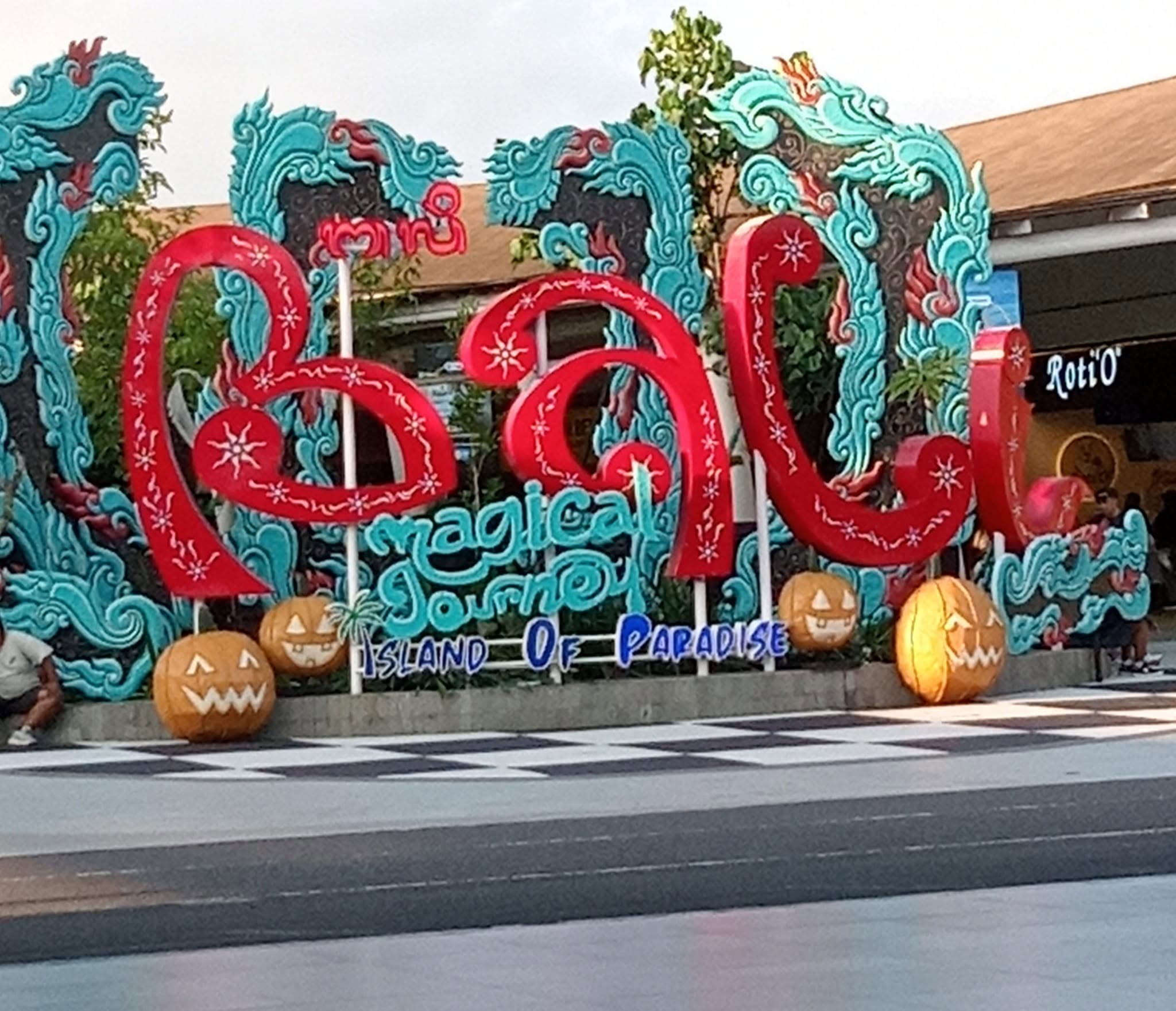
Bali is one of Indonesia’s most popular travel destinations, known for its beautiful beaches, green rice terraces, traditional temples, and vibrant local culture. Located between Java and Lombok, this island offers a variety of experiences for travelers, from relaxing by the ocean to exploring rural villages and discovering Indonesian cuisine.
Whether you are visiting Indonesia for the first time or returning to explore more of the island, planning your trip carefully can help you make the most of your time in Bali.
This travel guide covers some of the best places to visit in Bali, activities worth considering, local food to try, transportation options, and practical advice for a respectful and enjoyable journey.
1. Why Visit Bali?
Bali offers a combination of natural scenery, cultural experiences, and modern travel facilities. Visitors can spend the morning exploring rice fields, enjoy local dishes for lunch, and watch the sunset along the coast.
The island also has different travel environments. Southern Bali is known for its beaches, restaurants, and lively visitor areas, while Ubud and the surrounding countryside offer art, traditional crafts, and green landscapes.
Bali can suit different travel styles, including solo trips, family holidays, cultural journeys, and outdoor adventures. The best itinerary depends on your interests, budget, and the amount of time you have available.
2. Best Places to Visit in Bali
Ubud: Art, Culture, and Green Landscapes
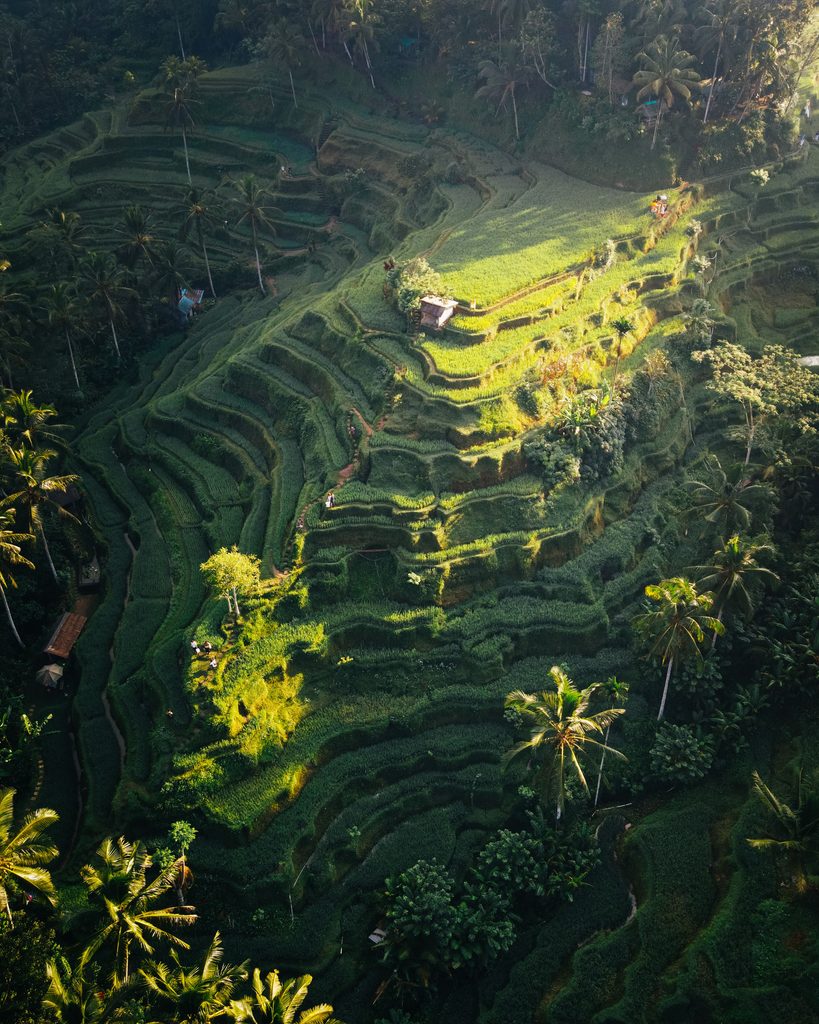
Ubud is an inland destination associated with Balinese arts, traditional crafts, and beautiful countryside. It is a good place to learn about local culture while enjoying a slower pace than some of Bali’s busier coastal areas.
Visitors can explore art galleries, browse local markets, enjoy traditional performances, or visit nearby rice terraces. The surrounding countryside also offers walking routes and scenic views.
Consider spending at least one full day exploring Ubud and its nearby attractions. If you enjoy cultural activities and nature, you may want to stay longer
Uluwatu: Coastal Cliffs and Ocean Views
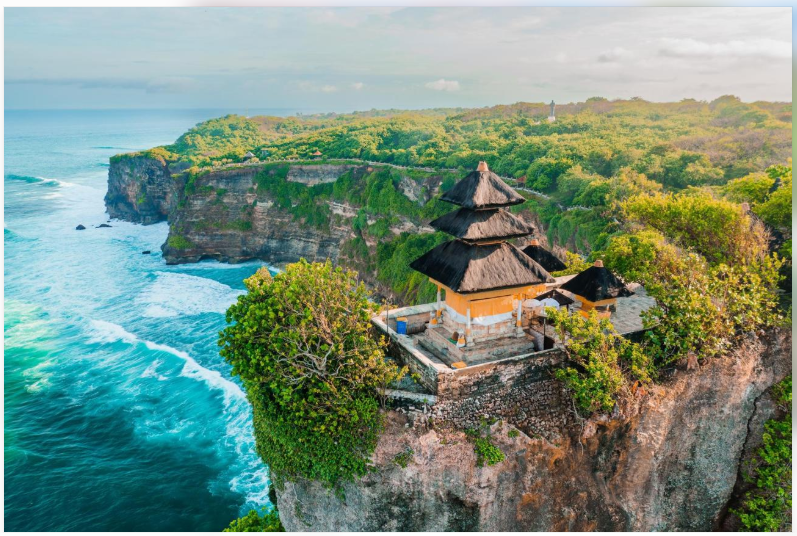
Located on the southern Bukit Peninsula, Uluwatu is known for its dramatic coastal scenery, beaches, and cliffside viewpoints.
Travelers can explore selected beaches, enjoy ocean views, and visit Uluwatu Temple. The area is also associated with traditional Kecak dance performances, although schedules and ticket arrangements should be checked before visiting.
When exploring coastal areas, follow safety signs and use designated access routes. Some beaches have steep stairways, strong waves, or changing sea conditions.
Tanah Lot: A Temple by the Sea

Tanah Lot is a well-known coastal landmark featuring a temple on a rocky formation surrounded by the ocean.
Many visitors choose to visit in the late afternoon to enjoy the coastal scenery around sunset. However, the experience depends on weather, tides, and visitor numbers.
Respect the site’s religious significance and follow any restrictions on access. Do not assume that every part of the temple area is open to visitors.
Tegallalang Rice Terraces: Bali’s Agricultural Landscape
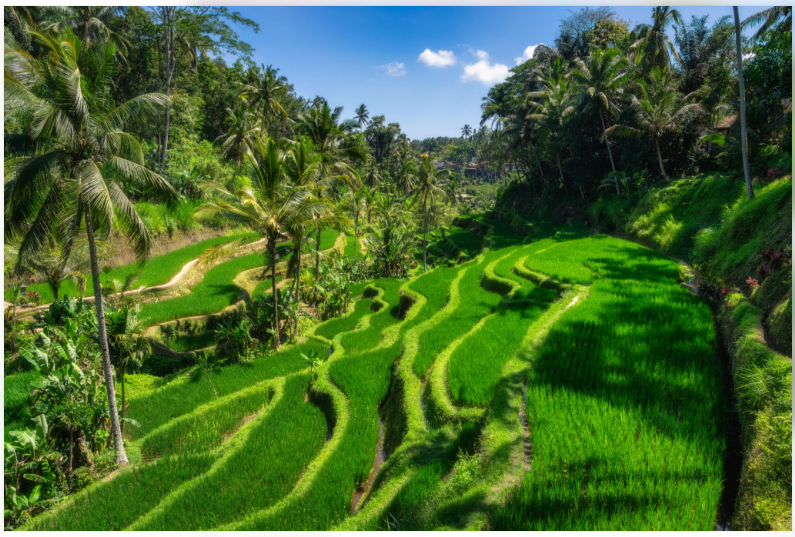
The Tegallalang area, north of Ubud, is known for its terraced rice fields. The landscape provides an opportunity to learn about the relationship between agriculture, local communities, and Bali’s cultural traditions.
For a more comfortable visit, consider arriving earlier in the day and wearing shoes suitable for uneven paths. Some viewpoints and walking routes may involve steps or sloping ground.
Be aware that access to particular paths, viewpoints, and facilities may require payment. Check the conditions at the entrance and respect farmland and private property.
Sanur: A Relaxed Coastal Atmosphere
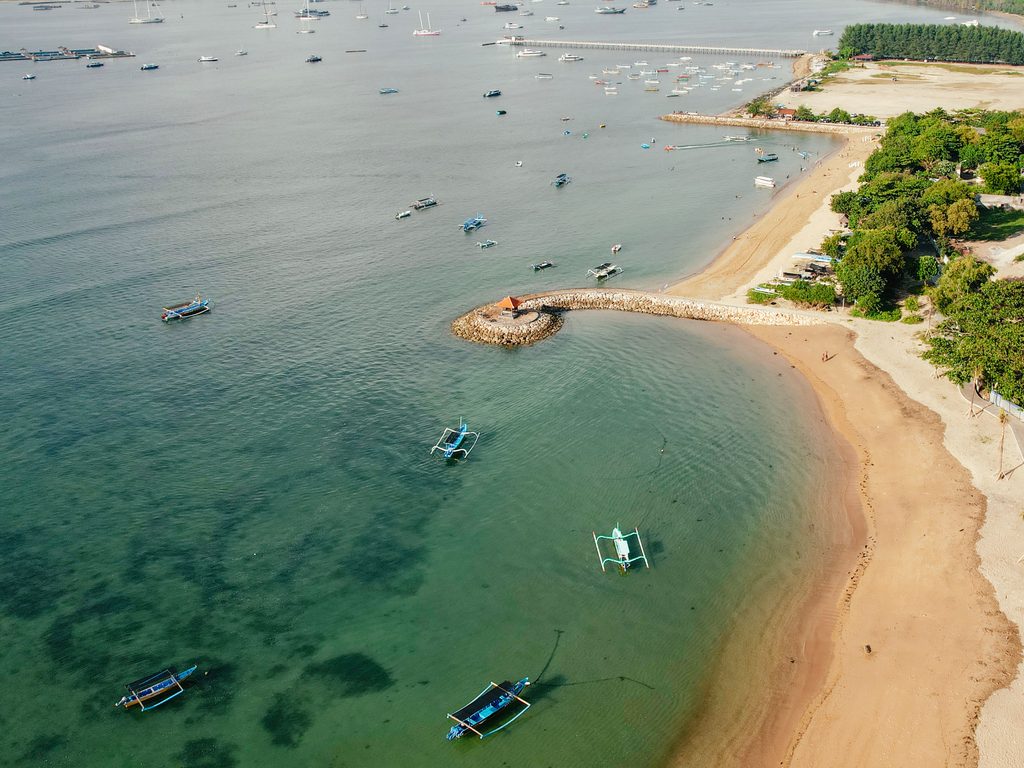
Sanur offers a different coastal experience, with seaside walks, restaurants, and places to enjoy the morning atmosphere.
It can be a useful base for travelers who prefer a calmer setting while remaining within reach of other destinations in southern Bali. The area is also used by travelers arranging boat trips to nearby islands.
Check sea conditions and departure details before booking any boat journey.
3. Best Things to Do in Bali
Explore Traditional Arts and Crafts
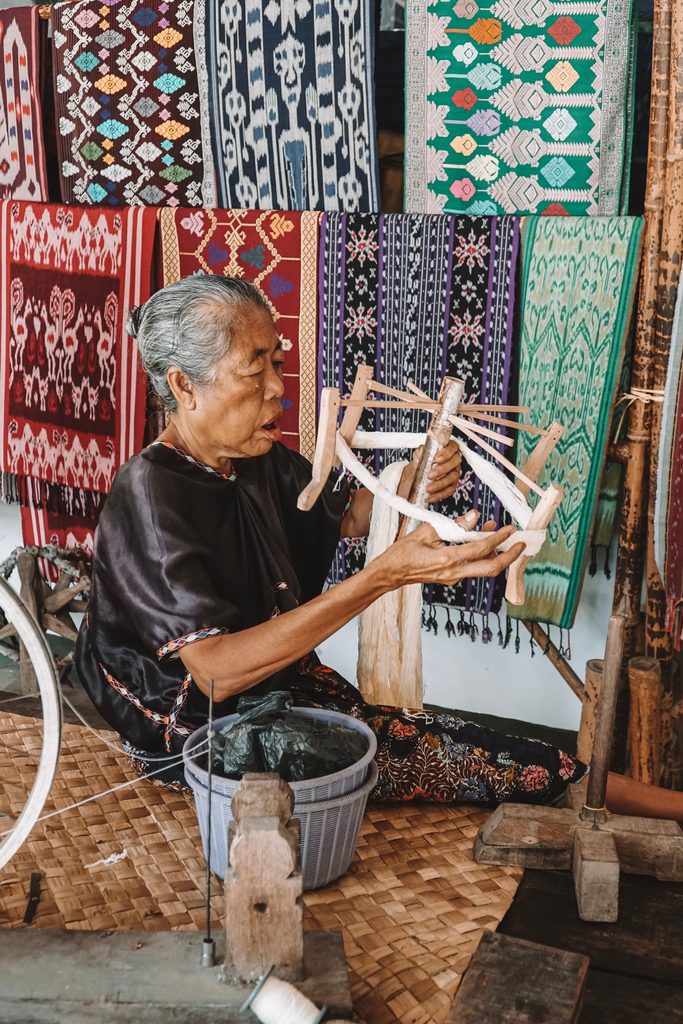
Bali has a long-standing tradition of artistic production, including wood carving, painting, textiles, and other handicrafts.
Visit established markets or workshops to learn more about local techniques. If you want to purchase souvenirs, ask about the materials, production process, and whether an item was made locally.
Buying directly from local makers, where possible, can help support small businesses and traditional skills.
Visit Cultural and Religious Sites
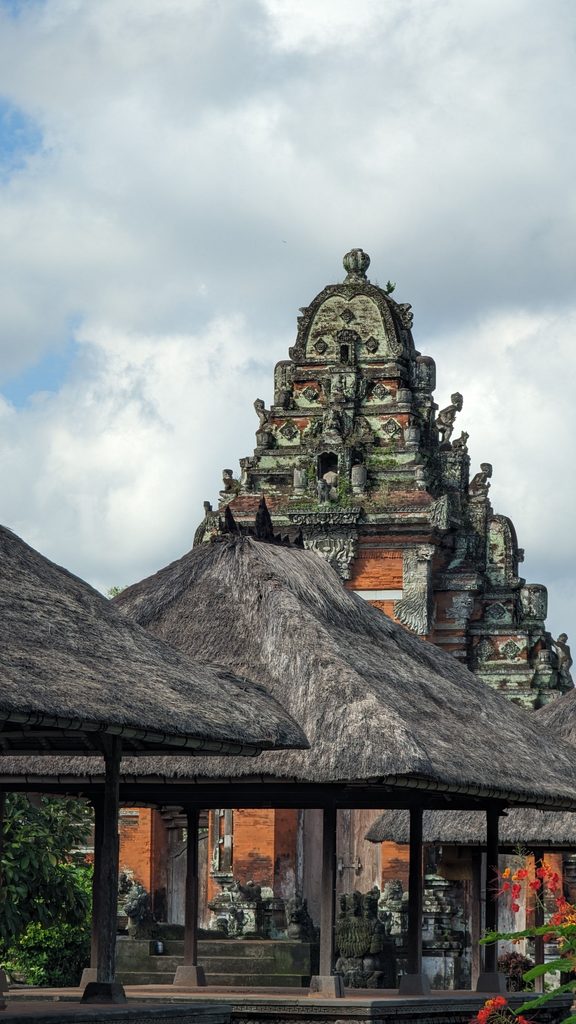
Temples and ceremonial spaces are important parts of Balinese life. Visiting them can help travelers better understand the island’s cultural identity.
Before entering a temple, check its visitor rules. Modest clothing may be required, and a sarong or sash may be necessary at some sites. Certain areas may be restricted during ceremonies or for religious reasons.
Ask permission before photographing people, particularly during religious activities, and follow instructions from temple staff.
Enjoy Outdoor Activities
Depending on the location and conditions, visitors can consider hiking, cycling, snorkeling, surfing, or walking through rural landscapes.
Choose activities that match your fitness and experience level. For water activities, check local conditions and use reputable operators with appropriate safety procedures.
If you plan to hike or take part in an early-morning excursion, check the weather forecast and any local restrictions beforehand.
Discover Local Markets
Markets offer opportunities to see everyday life, explore regional products, and try local snacks.
Be considerate when taking photographs and ask before photographing individuals or their stalls. Carry small amounts of cash when useful, while checking which payment methods are accepted at your destination.
4. Balinese Food You Should Try
Food is an important part of experiencing Bali. The island offers traditional Balinese dishes alongside food from other parts of Indonesia and international cuisine.
Here are several dishes worth learning about:
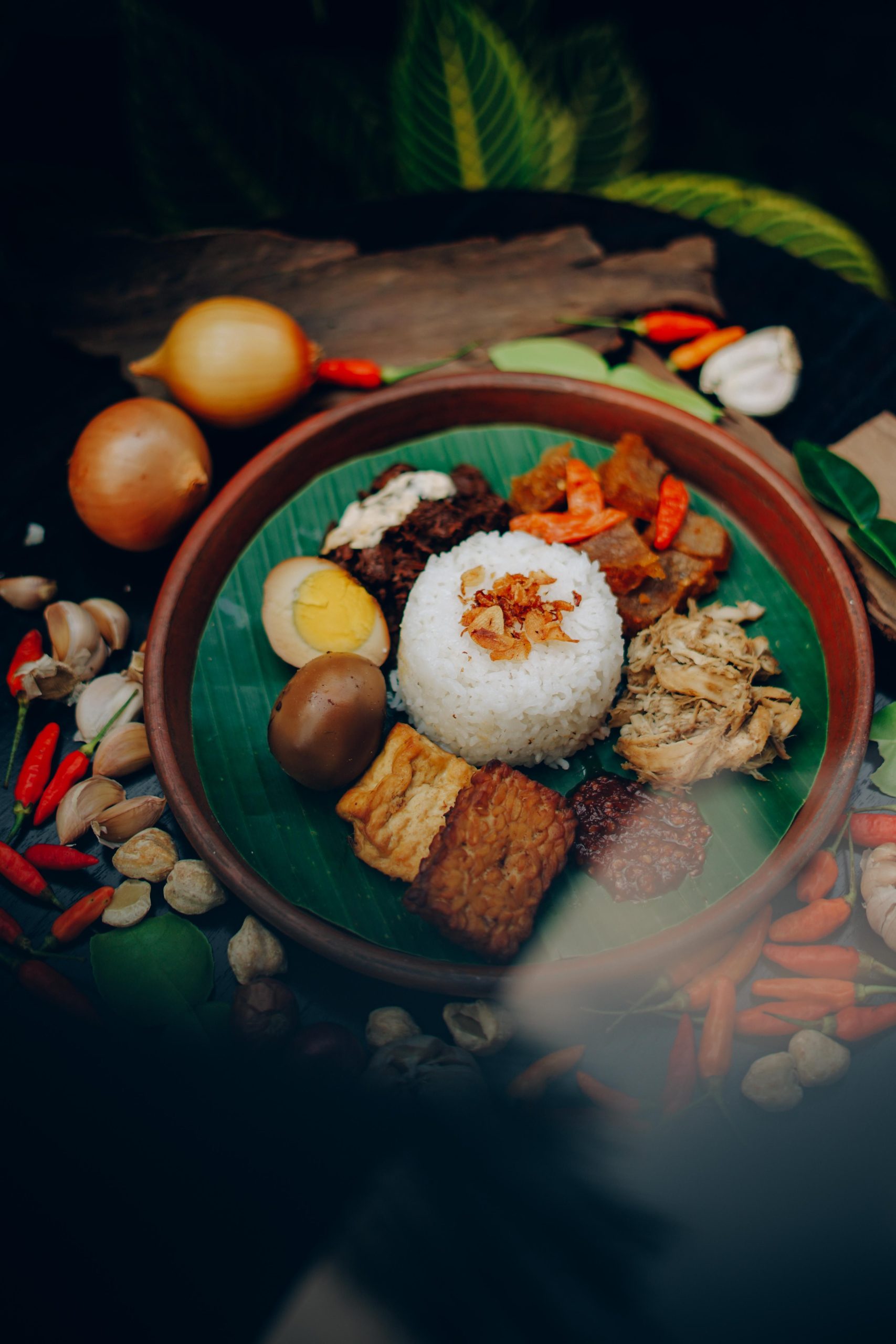 Nasi campur: Rice served with a selection of side dishes. The ingredients vary between restaurants.
 Sate lilit: A Balinese-style satay commonly made with seasoned minced meat or fish shaped around a stick.
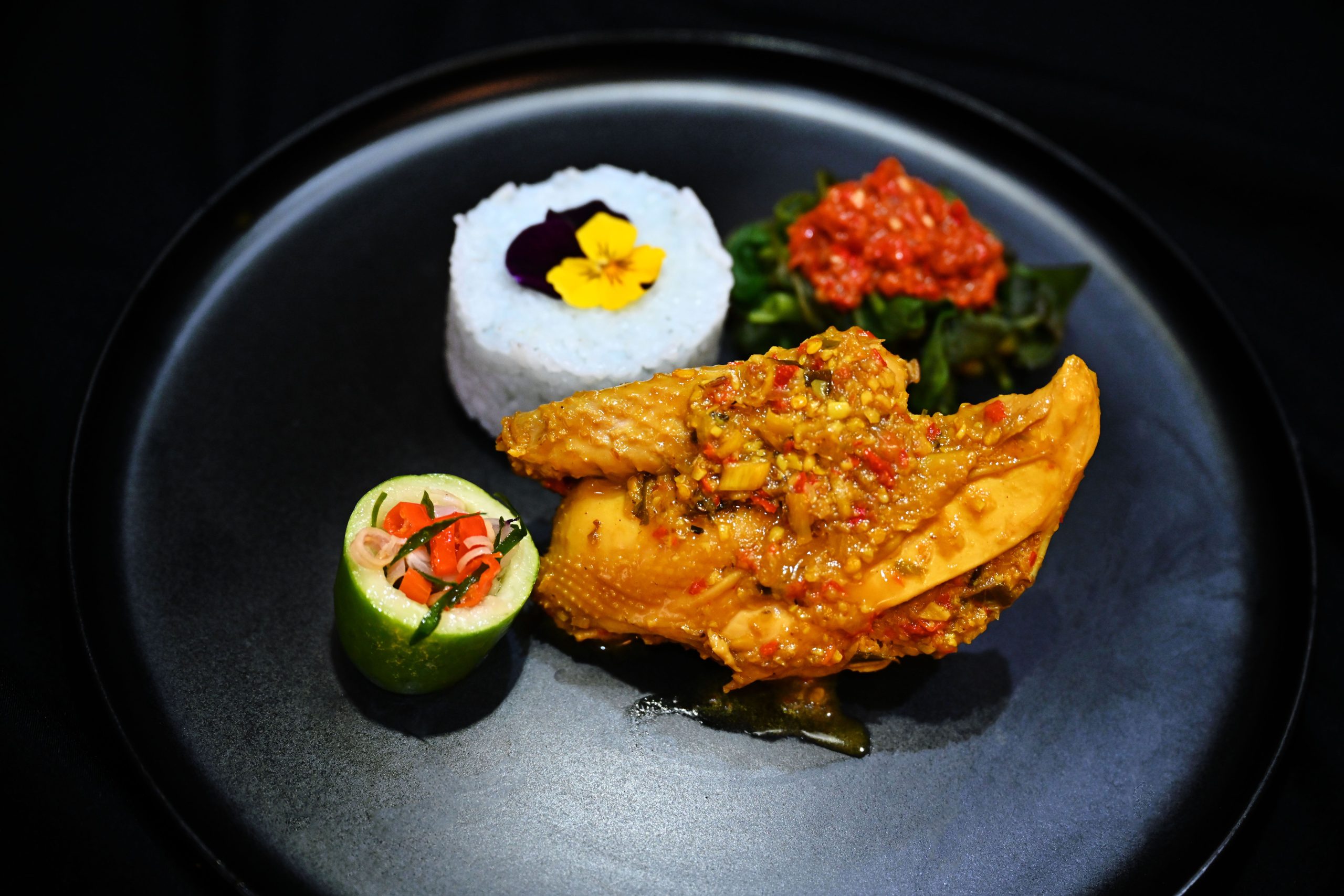 Ayam betutu: Chicken prepared with a rich blend of spices using regional cooking methods.
 Lawar: A traditional dish combining ingredients such as vegetables, grated coconut, herbs, and, in some versions, meat.
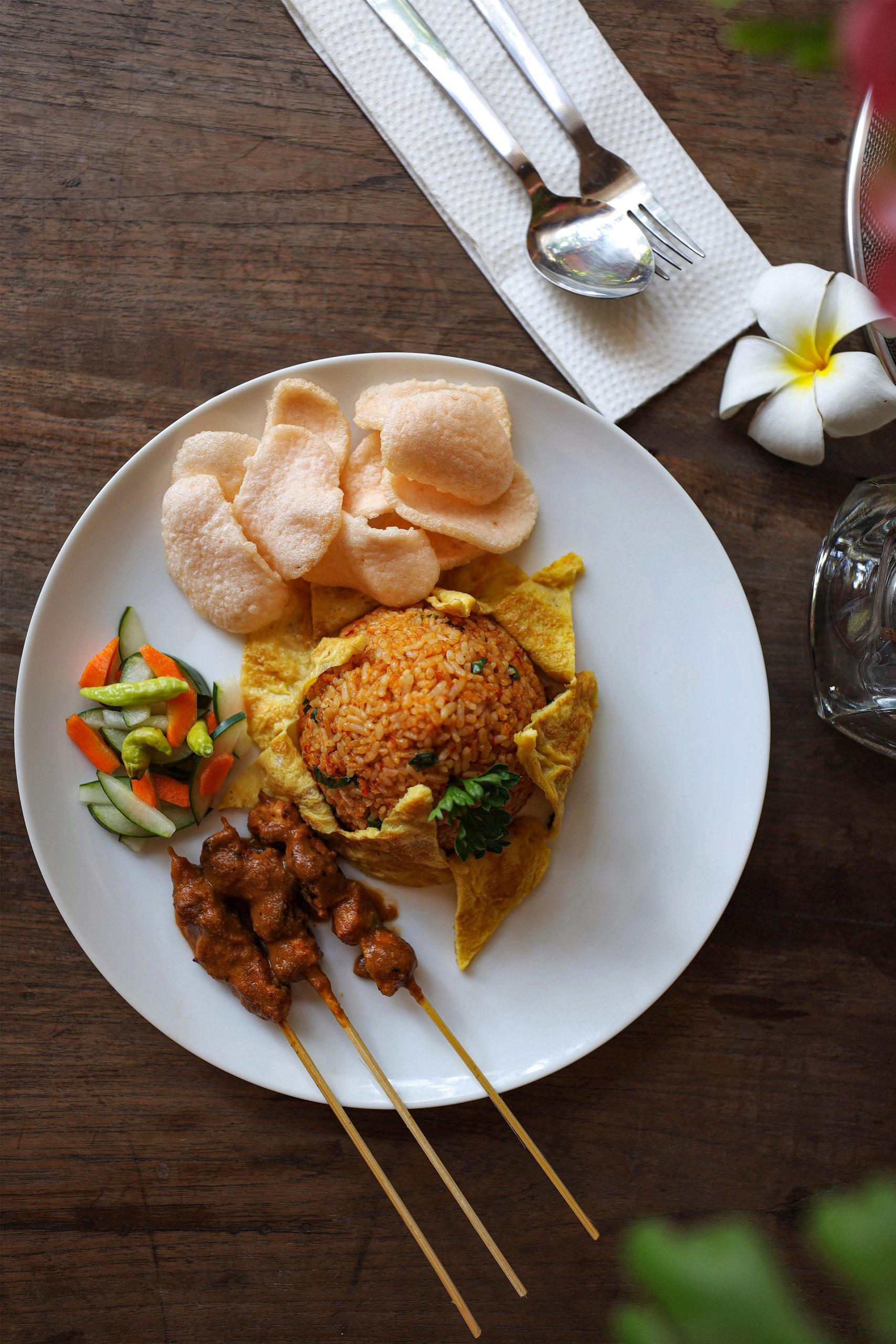 Nasi goreng: Indonesian fried rice that is widely available, with ingredients and seasoning varying by vendor.
If you have allergies or dietary restrictions, ask about ingredients and food preparation before ordering. Some traditional dishes contain meat, seafood, or other ingredients that may not be immediately obvious.
5. How to Get Around Bali
Transportation planning is important because road traffic can make journeys longer than expected.
Private Drivers and Taxis
A private driver can be convenient for visiting several attractions in one day, particularly when traveling with family or a small group.
Agree on the itinerary, price, duration, and any additional charges before departure. For shorter journeys, compare available licensed taxi and ride-hailing options.
Motorbike Rentals
Motorbikes are commonly used in Bali, but riding requires suitable skills, valid documentation, and appropriate safety equipment.
Before renting a motorbike, check the applicable licence requirements, insurance coverage, rental conditions, and local traffic rules. Always wear a helmet and avoid riding if you are inexperienced or uncomfortable with local road conditions.
Walking
Walking can be practical in some town centers and coastal areas, but pedestrian facilities vary. Some roads have narrow or uneven sidewalks, limited crossings, or heavy traffic.
Use designated pedestrian routes wherever possible and take extra care when walking after dark.
Planning Travel Times
Rather than scheduling too many attractions in one day, group destinations by geographical area. Allow extra time for traffic, weather, parking, and walking between sites.
Check transport arrangements and opening hours close to your travel date, as these details may change.
6. When Is the Best Time to Visit Bali?
Bali has a tropical climate, with generally warmer conditions throughout the year and seasonal variations in rainfall.
The drier part of the year is often attractive to visitors planning beach activities and outdoor excursions. The wetter months can bring greener landscapes, but rain may affect walking routes, road conditions, and outdoor plans.
There is no single perfect month for every traveler. Consider your preferred activities, tolerance for rain, budget, and whether you want to travel during busier holiday periods.
Before booking, review the latest weather information from Indonesia’s Meteorology, Climatology, and Geophysics Agency (BMKG).
7. Practical Travel Tips for First-Time Visitors
A little preparation can make your Bali trip easier and more enjoyable.
Respect local customs. Bali has a distinctive cultural and religious identity. Dress appropriately at sacred sites and follow local instructions.
Check attraction information. Opening times, admission arrangements, and visitor restrictions can change. Confirm details through official channels before setting out.
Prepare for tropical weather. Bring sun protection, drinking water, suitable footwear, and rain protection when needed.
Protect the environment. Carry reusable items where practical, dispose of rubbish responsibly, and follow local rules for beaches and natural areas.
Keep important documents secure. Store travel documents safely and keep copies where appropriate. Review current entry requirements using official Indonesian immigration information if you are an international visitor.
Plan a realistic itinerary. Spending more time in fewer areas can be more enjoyable than crossing the island repeatedly in heavy traffic.
Use responsible tourism services. Choose operators who prioritize safety, respect local communities, and follow applicable environmental rules.
8. A Simple Three-Day Bali Itinerary
If you have three days, consider organizing your trip around two main areas rather than trying to visit the entire island.
Day 1: Explore Ubud
Spend the day exploring Ubud’s cultural attractions, local markets, and nearby countryside. Choose one or two main activities and leave time for meals and walking.
Day 2: Discover Rice Terraces and Local Culture
Visit the Tegallalang area or another suitable rural destination. Add a cultural workshop or local food experience if time permits.
Check access conditions and travel times before finalizing your schedule.
Day 3: Enjoy Southern Bali
Explore a beach or coastal viewpoint in southern Bali. Depending on your interests, you could visit Uluwatu or choose a more relaxed day around Sanur.
This itinerary is a starting point rather than a fixed schedule. Adjust it to your accommodation location, mobility needs, weather, and preferred activities.
9. Travel Responsibly and Support Local Communities
Tourism can create opportunities for local businesses, artisans, guides, and hospitality workers. Travelers can contribute positively by choosing locally operated services where appropriate and treating communities with respect.
Avoid disturbing wildlife, leaving rubbish behind, or entering restricted areas for photographs. Follow signs and instructions, especially around religious sites and environmentally sensitive locations.
Responsible travel is not only about protecting natural landscapes. It also means recognizing that Bali is a living community, not simply a holiday destination.
Conclusion
Bali offers much more than tropical beaches. From Ubud’s artistic traditions and green landscapes to the coastal scenery of Uluwatu and the cultural significance of its temples, the island provides many ways to explore Indonesia.
The key to a rewarding visit is to plan realistically, check current travel information, respect local customs, and leave room to discover places beyond the usual highlights.
With thoughtful preparation, Bali can be an excellent introduction to Indonesia’s landscapes, food, and cultural diversity.
Sources and Further Reading
For updated destination information and responsible trip planning, consult these resources:
- Wonderful Indonesia — Bali destination guide: https://www.indonesia.travel/gb/en/destination/bali-nusa-tenggara/bali
- Bali Provincial Government — official tourism information: https://disparda.baliprov.go.id/
- BMKG — Indonesian weather and climate information: https://www.bmkg.go.id/
- Pexels — free travel photographs and license: https://www.pexels.com/license/